Franciscus Prins > Francis Prins > Frans Prins
When I was a kid, you could already find me creating small books or setting off on bicycle trips to raise money to protect the rainforest. As a teenager, I did the creative and editorial work for a nature group magazine, joined a writers’ collective and spread poems, short texts and art on the streets. I wanted to change the world through creative action.
When I was 18, I helped start a Dutch political party called The Idealists and ran as a candidate for national parliament. I was interested in how ideas become public, how people organise around them, and why some visions manage to gather energy while others remain private thoughts.
I understood how thoughts and words can change people’s mindsets and the way they see the world.
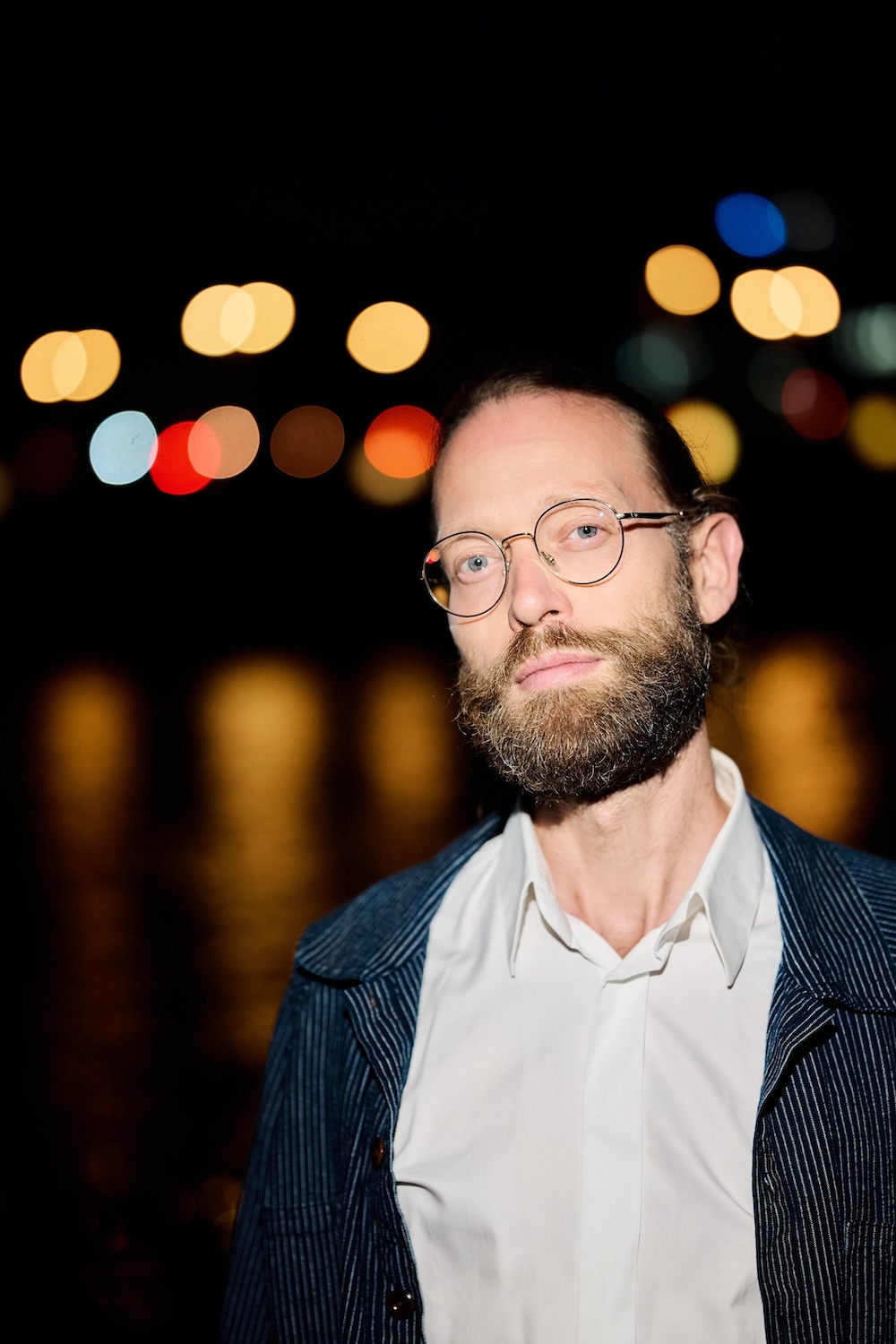
A few years later, while studying Humanistic Studies in Utrecht and doing some art courses at the Rietveld Academy in Amsterdam, I was involved with a few creative magazines, became involved in policy work and helped establish a course around spirituality and the art of living. Humanistic Studies was an unusual education. Philosophy sat next to psychology, ethics next to culture, social questions next to very personal ones. We learned to listen closely, to question what people take for granted and to look at the values underneath decisions.
The art of listening beyond what is said, looking beyond what is shown, and creating beyond what has yet been imagined.
For a while, my work moved through social campaigns, education and idealistic initiatives. Then design, fashion and sustainability entered the picture. And Berlin!
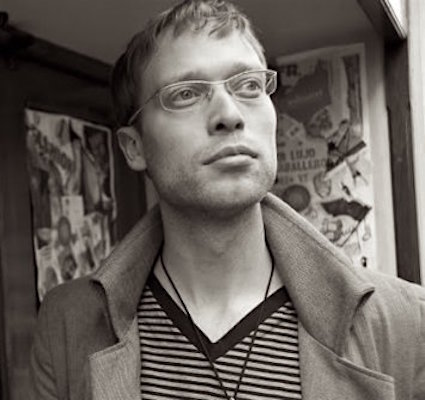
This was the late 2000s, when sustainable fashion was still a fairly small and unruly field. There was a lot of idealism, but very little infrastructure around it. Few buyers understood it, many consumers had never heard of it, and the fashion industry largely treated it as a niche.
There was this one strong thing: drive. A drive for something greater than ourselves, a hope for a better way of living on this planet.
I co-founded THEKEY.TO, one of the early international trade platforms for sustainable fashion and lifestyle in Berlin. During Berlin Fashion Week, we brought designers, brands, buyers, journalists, NGOs and people working on new forms of production into the same place. Over several editions, more than 150 international brands took part. Later I worked with Messe Frankfurt during the founding and preparation of the Ethical Fashion Show Berlin.


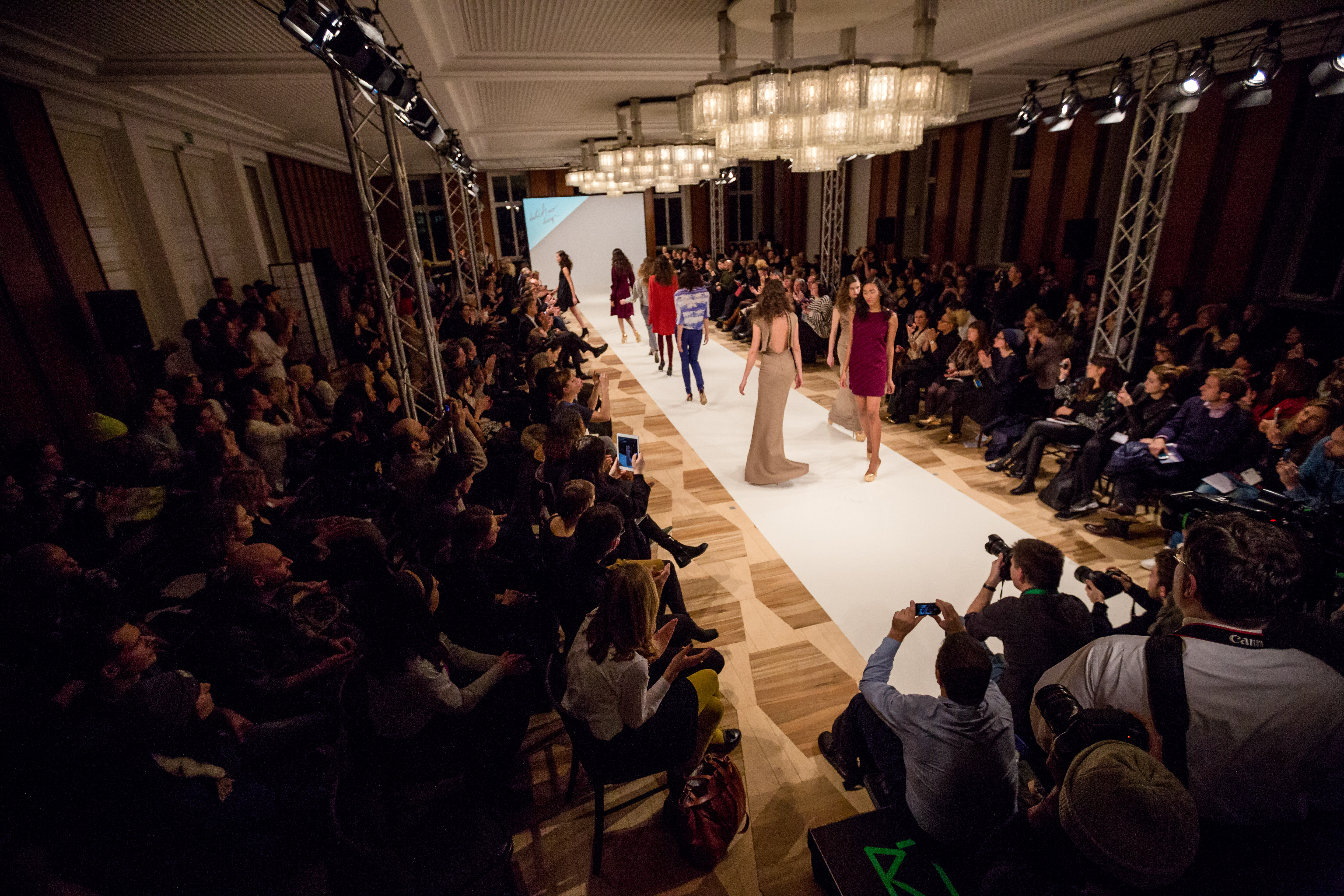
Then came the agency Beyond Berlin and the Beyond Fashion Summit, which I co-founded and helped shape through concept, programme, partnerships, financing, communications and moderation. We invited people from very different corners of the field to talk about what fashion could become, rather than merely what it currently was.
There were other projects around the edges of all this: the Grass Routes Foundation, which I co-founded and ran to support sustainable development projects; public campaigns; workshops; educational formats; creative activism; international collaborations; and a considerable amount of time spent trying to connect people who should probably have known each other already.

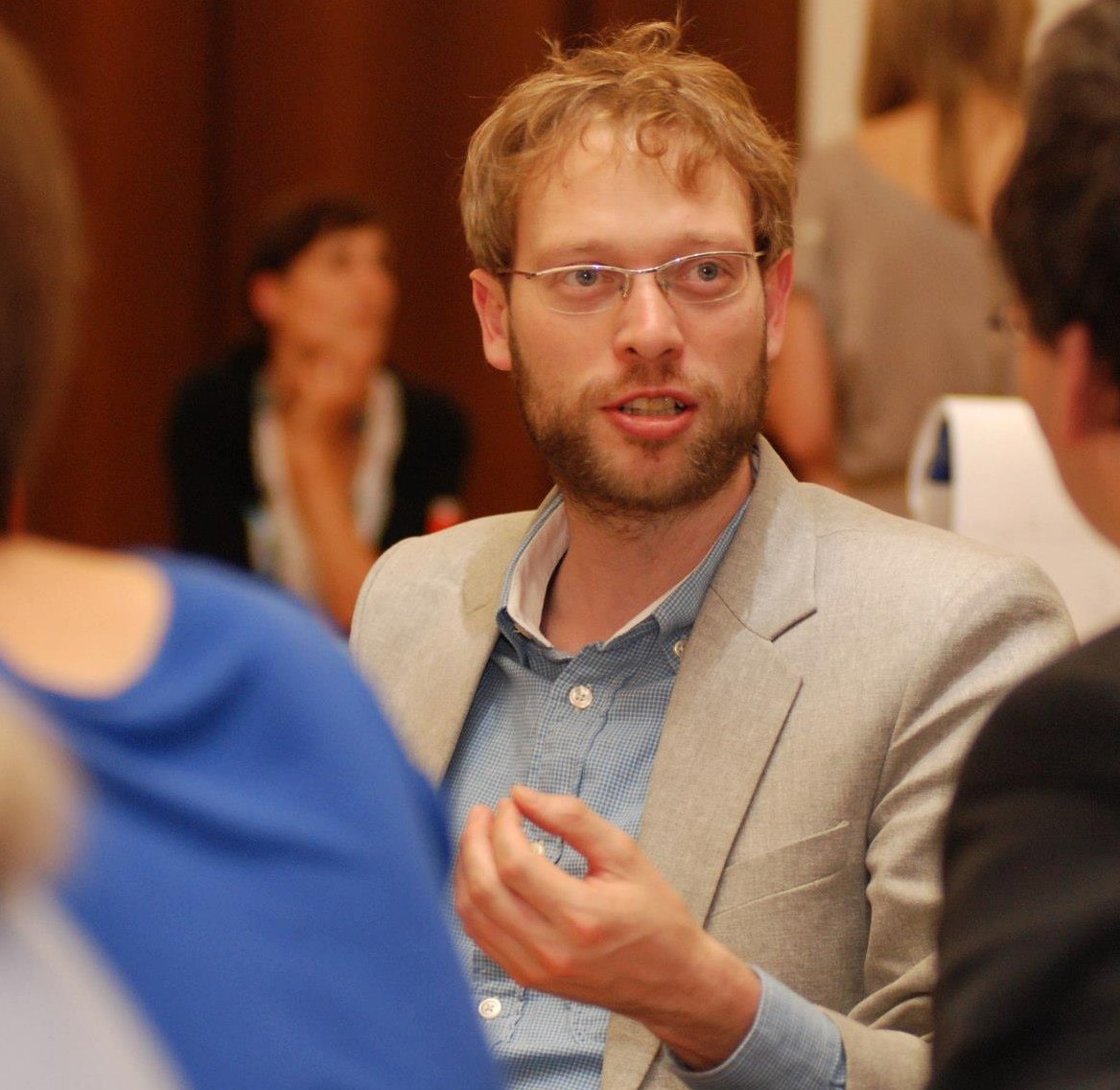
Looking back, I am struck by how little of this work fitted neatly into one profession. I was part publisher, part curator, part organiser, part entrepreneur, part communicator, part strategist, and quite often simply the person who had an idea and wanted to see whether it could become real. Getting there was often quite a ride.
I have always enjoyed the stage before something has settled into its final form. The conversations where an idea is still moving. The moment when there are too many possibilities rather than too few. The point where somebody says, “I know what I mean, but I cannot quite explain it.”
That is increasingly where my work sits today: close to founders, organisations and creative teams when something is changing, emerging or not yet fully articulated.
I help listen for the deeper idea, connect the pieces and give it direction, narrative and form.
This is also what eventually led me further into publishing. I was a serial blogger in the early days of the blogosphere, fuelled by curiosity, research and the joy of discovering something worth sharing.
With Lilli Green Magazin, I helped build an editorial platform around sustainable design, materials, products and emerging ways of living. What began as a blog developed into a magazine with longer features and interviews, a commercial model through editorial collaborations, and an online shop.
I like the tension between imagination and reality.
It is why I have never been entirely comfortable with the idea of storytelling as something that is added at the end. The interesting story is usually already inside the project. It is in why somebody started it, what they are trying to change, what they are refusing to compromise on, what they have not yet managed to articulate.
I am interested in founders, organisations and projects that have substance but are in motion, and that want to bring beauty and positive change into the world. People and projects that already care deeply about something that matters.
More recently, across work with founders, creative brands and cultural projects, my role has moved closer to the questions behind the visible brand or project. What may begin as communications, editorial work or storytelling often opens into something larger: vision, positioning, narrative, direction and the question of what the project is becoming.
Much of that kind of work begins in conversation: listening to what a founder is really trying to create, noticing the ideas that keep returning, and finding language and structure for something that may already be deeply felt but not yet clearly articulated.
Future imagination as a practice
I increasingly work with creative methods that make room for thinking and moving beyond the obvious: writing, images, speculative questions, future scenarios, walking, conversation, making, embodiment, time in nature. Sitting around a table and talking in the usual language of business is not always the best way to discover something new.
I am especially interested in future imagination as a practice. Not forecasting what will happen, but asking what could happen, what we would actually want to happen, and which assumptions prevent us from seeing certain possibilities in the first place. There is something of a hero’s journey in this, but one that reaches far beyond the personal: leaving familiar ground, entering the unknown and returning with a different sense of what might be possible.
Much of my professional life has revolved around the same question in different forms:
How does something that is first only imagined become real enough for other people to enter it?
A publication can do that. So can a brand, a story, a gathering of people, a piece of art…
These days, that is where I am most useful: somewhere between an intuition and its form.
Based in Berlin. Working internationally in English, German and Dutch.

